जापानी र चिनियाँका लागि पाँच भावनात्मक TTS मोडेललाई छ भावनाहरू, SenseVoice, emotion2vec anchors, CER, naturalness, runtime र audio examples सहित तुलना।
मोडेल र सन्दर्भ:
सारांश
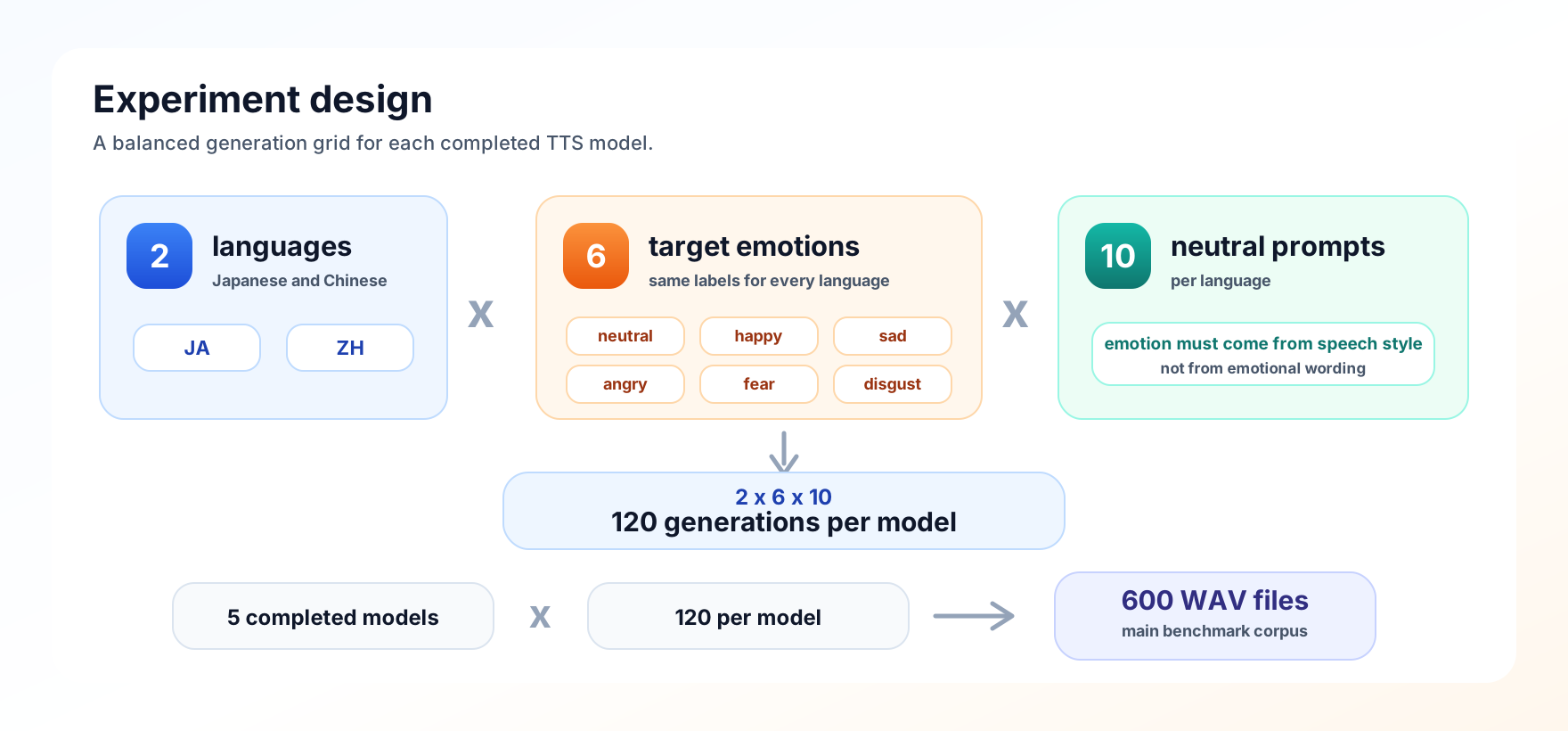
हामीले जापानी र चिनियाँका लागि पाँच भावनात्मक TTS प्रणालीलाई neutral, happy, sad, angry, fear, disgust गरी छ लक्ष्य भावनामा benchmark गर्यौं। वाक्य neutral राखिएको छ, त्यसैले भावना speech style बाट आउनुपर्छ।
सबैभन्दा सन्तुलित candidate Qwen3-TTS CustomVoice 1.7B हो। यसमा कम CER, राम्रो anchor hit rate, बलियो naturalness र जापानी/चिनियाँका लागि सबैभन्दा व्यावहारिक balance देखियो।
CosyVoice 300M Instruct naturalness मा अगाडि छ, तर emotion control कमजोर छ। IndexTTS-2 pooled SenseVoice score मा राम्रो देखिए पनि जापानी CER धेरै उच्च छ। चिनियाँ जापानीभन्दा सजिलो छ, र fear तथा disgust अझै समाधान भएका छैनन्।
प्रेरणा
भावनात्मक TTS प्राकृतिक आवाज बनाउने कुरा मात्र होइन। मोडेलले सही वाक्य बोल्नुपर्छ, सुन्न योग्य हुनुपर्छ र मागिएको भावना व्यक्त गर्नुपर्छ। त्यसैले यो benchmark ले emotion recognition, anchors, CER, naturalness, runtime र audio samples सँगै हेर्छ।
- लक्षित जापानी वा चिनियाँ वाक्य सही रहनुपर्छ।
- आवाज वास्तविक रूपमा सुन्न पर्याप्त प्राकृतिक हुनुपर्छ।
- generated voice ले requested emotion व्यक्त गर्नुपर्छ, neutral speech वा नजिकको emotion मा collapse हुनु हुँदैन।
मूल्याङ्कन विधि
Benchmark ले भाषा, भावना र prompt text अनुसार balanced generation grid प्रयोग गर्छ। एउटै sentence छ भावनामा प्रयोग गरिएको छ, ताकि model ले prosody र voice style बाट भावना व्यक्त गर्नुपर्छ।
Prompt set
जापानी prompt उदाहरणहरू:
| ID | वाक्य |
|---|---|
ja_001 | 会議は午前十時に始まります。 |
ja_002 | 資料は机の上に置いてあります。 |
ja_003 | 明日の予定を確認してください。 |
ja_004 | 電車は三番線から出発します。 |
ja_005 | 受付で名前を伝えてください。 |
चिनियाँ prompt उदाहरणहरू:
| ID | वाक्य |
|---|---|
zh_001 | 会议将在上午十点开始。 |
zh_002 | 资料已经放在桌子上。 |
zh_003 | 请确认明天的日程安排。 |
zh_004 | 列车将从三号站台出发。 |
zh_005 | 请在前台告知您的姓名。 |
भावना नियन्त्रण
| Target emotion | Control text |
|---|---|
neutral | Speak in a clear, neutral, natural voice. |
happy | Speak in a happy, warm, bright voice. |
sad | Speak in a sad, soft, slow, gentle voice. |
angry | Speak in an angry, tense, forceful voice. |
fear | Speak in a fearful, tense, trembling voice. |
disgust | Speak in a disgusted, displeased, rejecting voice. |
मेट्रिक
- SenseVoice भावना शुद्धता: मुख्य automatic screening metric।
- emotion2vec anchor hit र margin: emotional-speech anchor centroids मा आधारित secondary diagnostic metric।
- CER: original prompt text सँग transcription तुलना गर्दा आउने character error rate।
- NISQA-TTS र UTMOS: synthesized speech को naturalness र quality जाँच्ने diagnostic metrics।
- RTF: synthesis speed मापन गर्ने real-time factor।
नतिजा
स्रोत प्रयोग
Resource metrics 600 सफल generations बाट लिइएको छ। GPU, VRAM, wall time र RTF सबै completed rows मा छन्; CPU server-backed adapters का लागि सधैं capture हुँदैन।
| Model | Median wall time | Median RTF | Median peak VRAM | GPU util | GPU power | CPU | Median peak RSS |
|---|---|---|---|---|---|---|---|
cosyvoice_300m_instruct | 2.26s | 0.85 | 3.96 GB | 30.3% avg / 39.0% peak | 145.0W avg / 155.6W peak | 127.8% peak; 100% coverage | 5.54 GB |
qwen3_tts_customvoice_1_7b | 4.20s | 1.58 | 8.13 GB | 22.9% avg / 25.0% peak | 126.3W avg / 127.1W peak | 138.1% peak; 100% coverage | 6.22 GB |
fish_audio_s1_mini | 7.06s | 3.47 | 13.05 GB | 25.3% avg / 69.0% peak | 150.4W avg / 183.7W peak | not captured; 0% coverage | 0.80 GB |
indextts-2 | 26.39s | 6.97 | 7.29 GB | 18.2% avg / 100.0% peak | 131.3W avg / 199.6W peak | not captured; 0% coverage | 7.69 GB |
voxcpm2 | 28.44s | 9.84 | 12.79 GB | 12.3% avg / 100.0% peak | 106.7W avg / 191.5W peak | not captured; 0% coverage | 10.65 GB |
CosyVoice सबैभन्दा छिटो र सबैभन्दा कम VRAM प्रयोग गर्ने model हो, तर emotion control मा सबैभन्दा बलियो होइन। Qwen3-TTS ले CosyVoice भन्दा बढी VRAM प्रयोग गर्छ, तर IndexTTS-2 र VoxCPM2 भन्दा धेरै छिटो छ र राम्रो balance दिन्छ।
JA/ZH मेट्रिक अवलोकन
यो तालिकाले तीन मुख्य automatic checks लाई जापानी र चिनियाँमा छुट्याउँछ: SenseVoice emotion accuracy, CER र emotion2vec anchor alignment।
| Model | JA SenseVoice | ZH SenseVoice | JA CER | ZH CER | JA anchor hit | ZH anchor hit | JA anchor margin | ZH anchor margin |
|---|---|---|---|---|---|---|---|---|
qwen3_tts_customvoice_1_7b | 15.0% | 53.3% | 8.6% | 9.7% | 40.0% | 64.0% | -0.06645 | 0.04480 |
indextts-2 | 43.3% | 16.7% | 91.0% | 10.3% | 38.0% | 30.0% | -0.08293 | -0.04063 |
voxcpm2 | 6.7% | 35.0% | 18.6% | 4.4% | 40.0% | 36.0% | -0.04479 | -0.02693 |
cosyvoice_300m_instruct | 1.7% | 36.7% | 43.9% | 11.1% | 24.0% | 72.0% | -0.05481 | 0.03796 |
fish_audio_s1_mini | 6.7% | 16.7% | 12.7% | 16.8% | 20.0% | 24.0% | -0.08972 | -0.09542 |
Automatic emotion metrics मा चिनियाँ सामान्यतया सजिलो छ, तर CER र emotion accuracy सधैं एउटै दिशामा हिँड्दैनन्। Qwen3-TTS ले दुवै भाषामा CER कम राख्छ; IndexTTS-2 को जापानी SenseVoice score उच्च छ तर जापानी CER पनि सबैभन्दा खराब छ।
पाठ शुद्धता (CER)
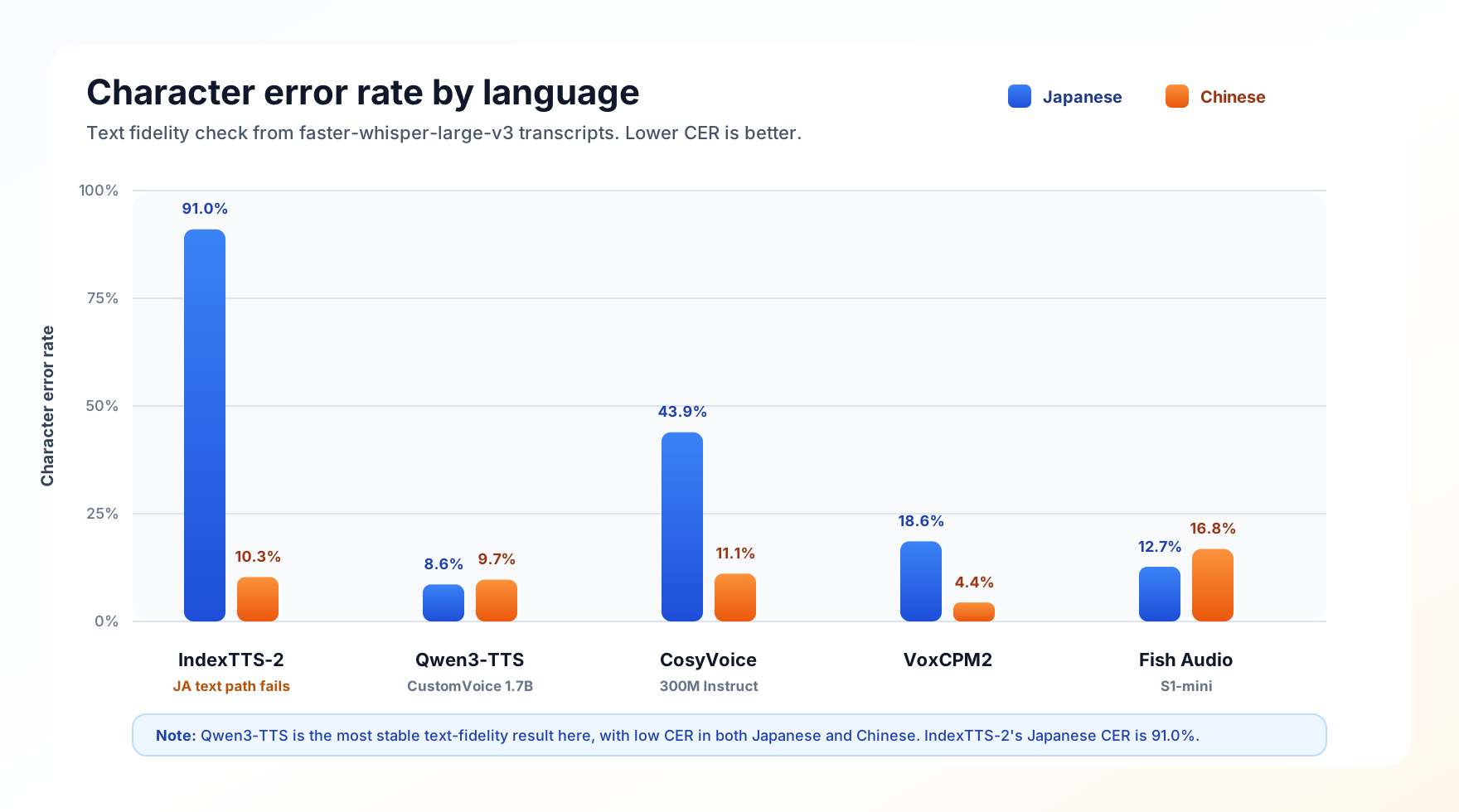
Text fidelity मा Qwen3-TTS सबैभन्दा स्थिर छ: जापानी CER 8.6% र चिनियाँ CER 9.7%। IndexTTS-2 warning case हो, किनभने जापानी CER 91.0% पुग्छ।
भावना शुद्धता
SenseVoice
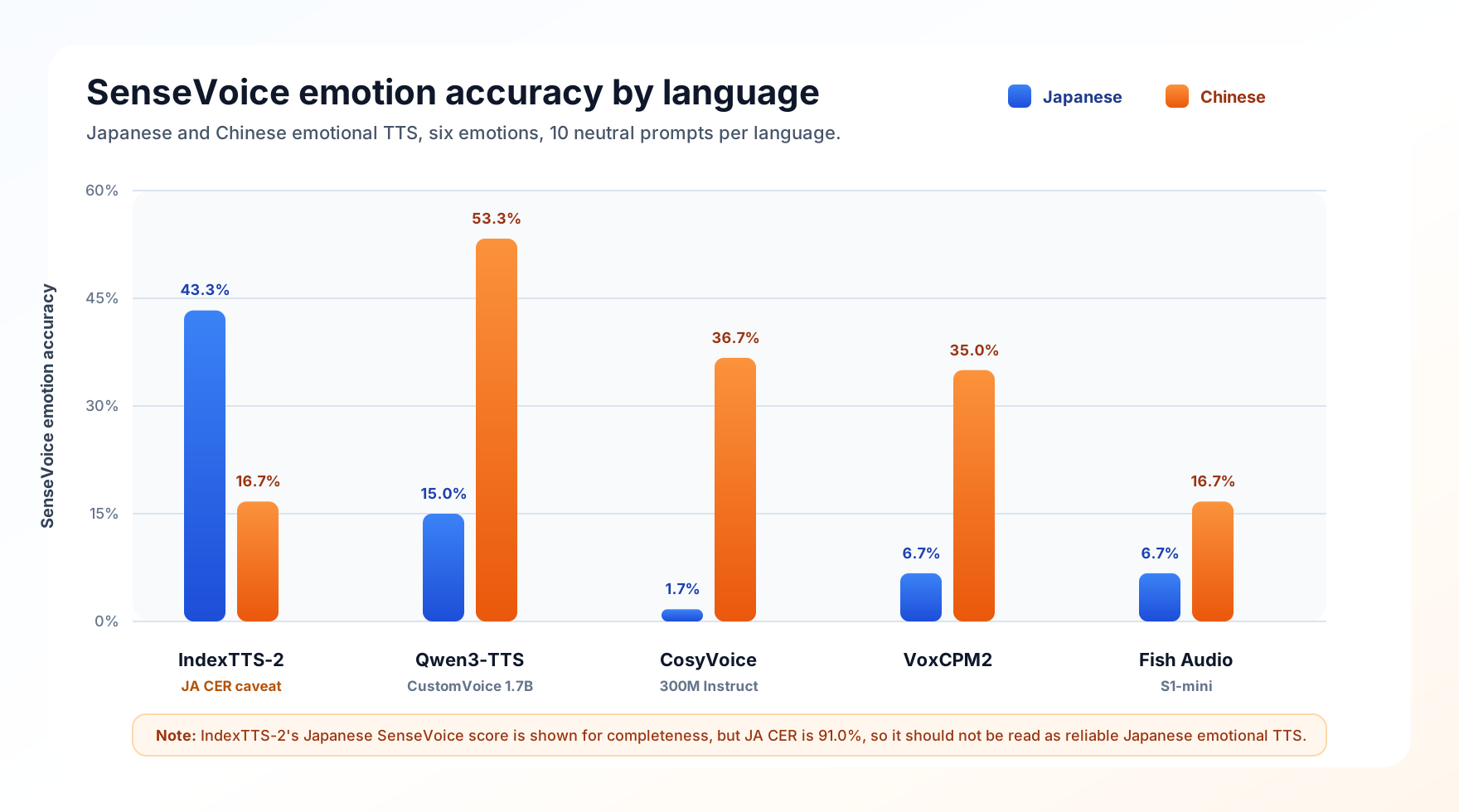
यस automatic setup मा चिनियाँ जापानीभन्दा स्पष्ट रूपमा सजिलो छ। Qwen3-TTS मा चिनियाँ SenseVoice accuracy 53.3% र जापानी 15.0% छ, यद्यपि CER दुवैमा कम छ।
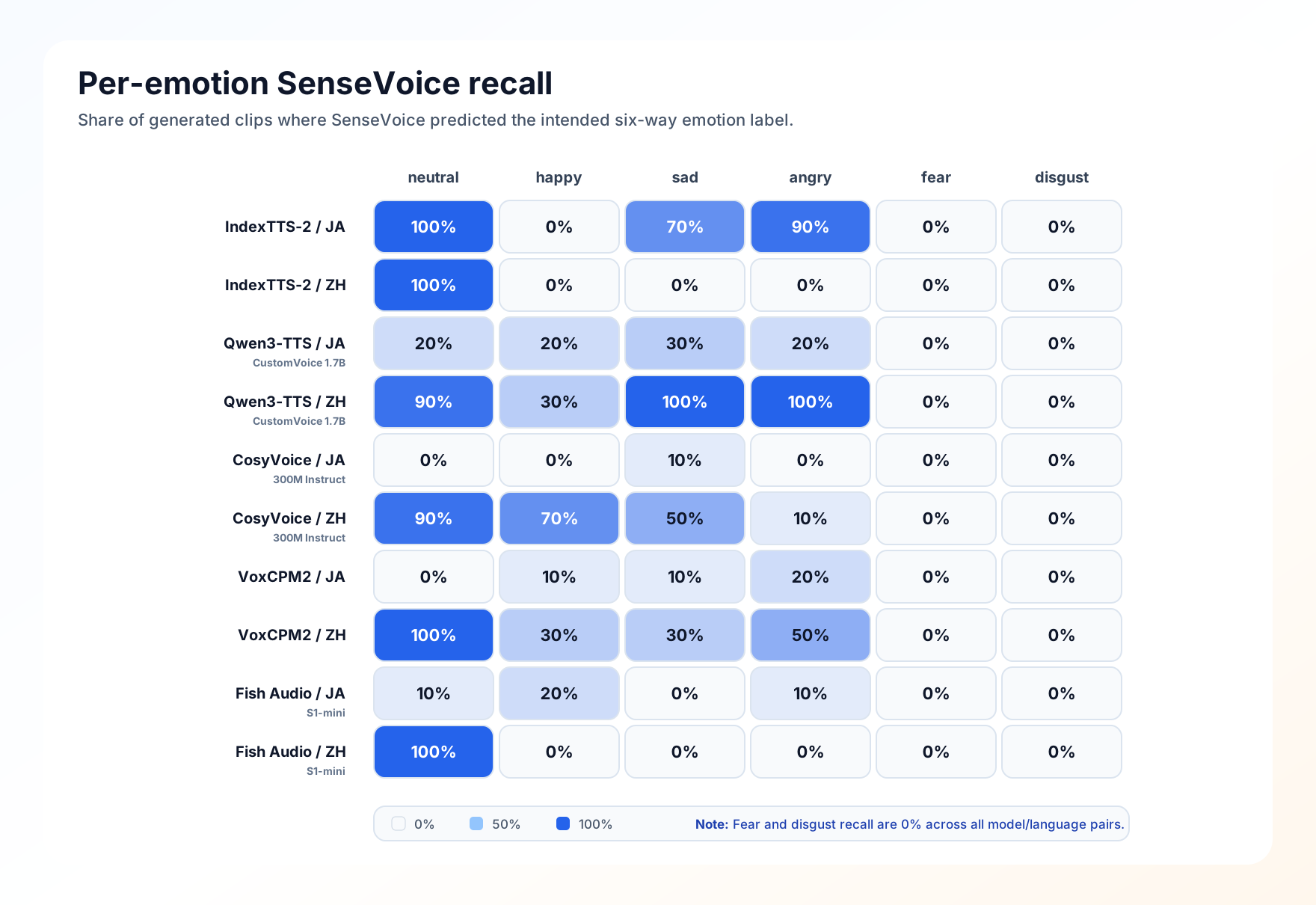
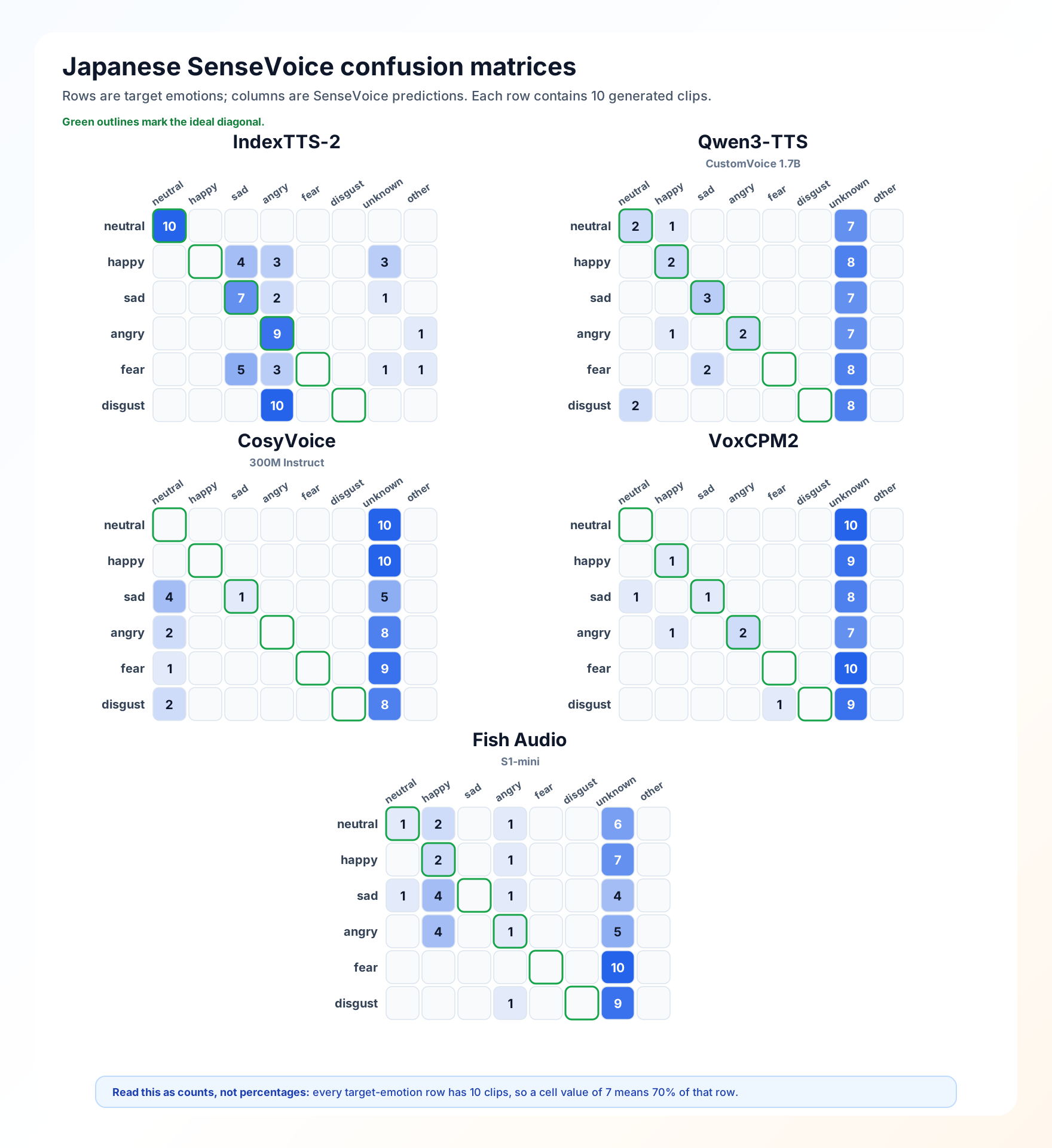
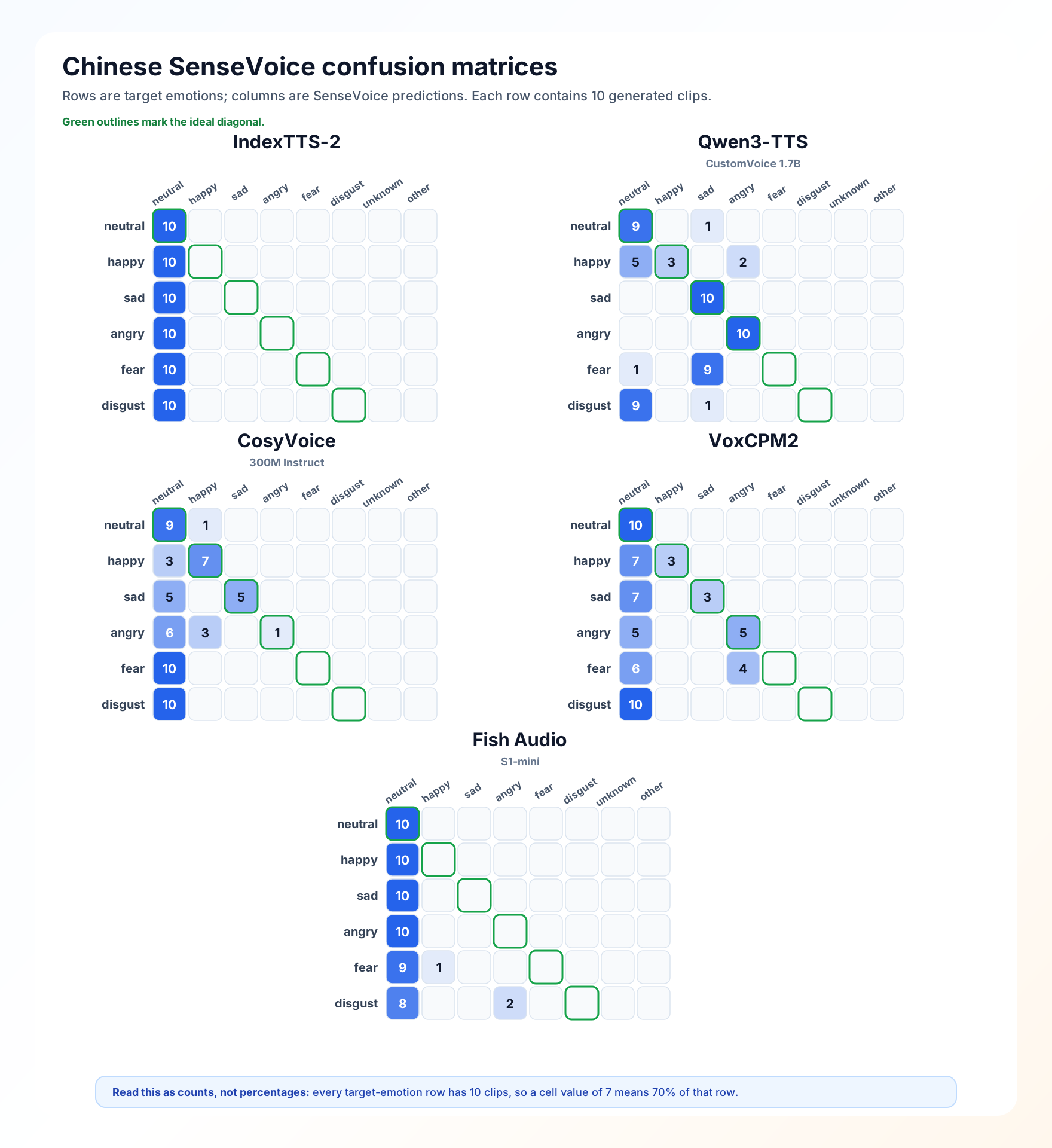
fear र disgust सबैभन्दा कठिन labels हुन्। दुवैको SenseVoice recall सबै model/language pairs मा 0.0% छ र प्रायः sad, neutral, angry, वा unknown मा जान्छ।
Rows target emotions हुन् र columns SenseVoice predictions हुन्। हरियो boxes ideal diagonal हुन्।
| केस | के भयो | किन महत्त्वपूर्ण छ |
|---|---|---|
indextts-2 / ja | happy -> sad 4/10; fear -> sad 5/10; disgust -> angry 10/10. | जापानी text quality unreliable हुँदा पनि emotion labels plausible देखिन सक्छन्। |
qwen3_tts_customvoice_1_7b / zh | happy -> neutral 5/10; fear -> sad 9/10; disgust -> neutral 9/10. | Qwen सबैभन्दा balanced candidate हो, तर hard emotions अझै collapse हुन्छन्। |
cosyvoice_300m_instruct / ja | happy -> unknown 10/10; fear -> unknown 9/10; disgust -> unknown 8/10. | Naturalness ले recognizable emotional control को guarantee गर्दैन। |
fish_audio_s1_mini / zh | happy -> neutral 10/10; fear -> neutral 9/10; disgust -> neutral 8/10. | Inline emotion markers ले generated prosody लाई reliably shift गर्न सकेन। |
voxcpm2 / zh | happy -> neutral 7/10; fear -> neutral 6/10; disgust -> neutral 10/10. | Prompt-driven control अक्सर neutral speech मा collapse भयो। |
emotion2vec anchors
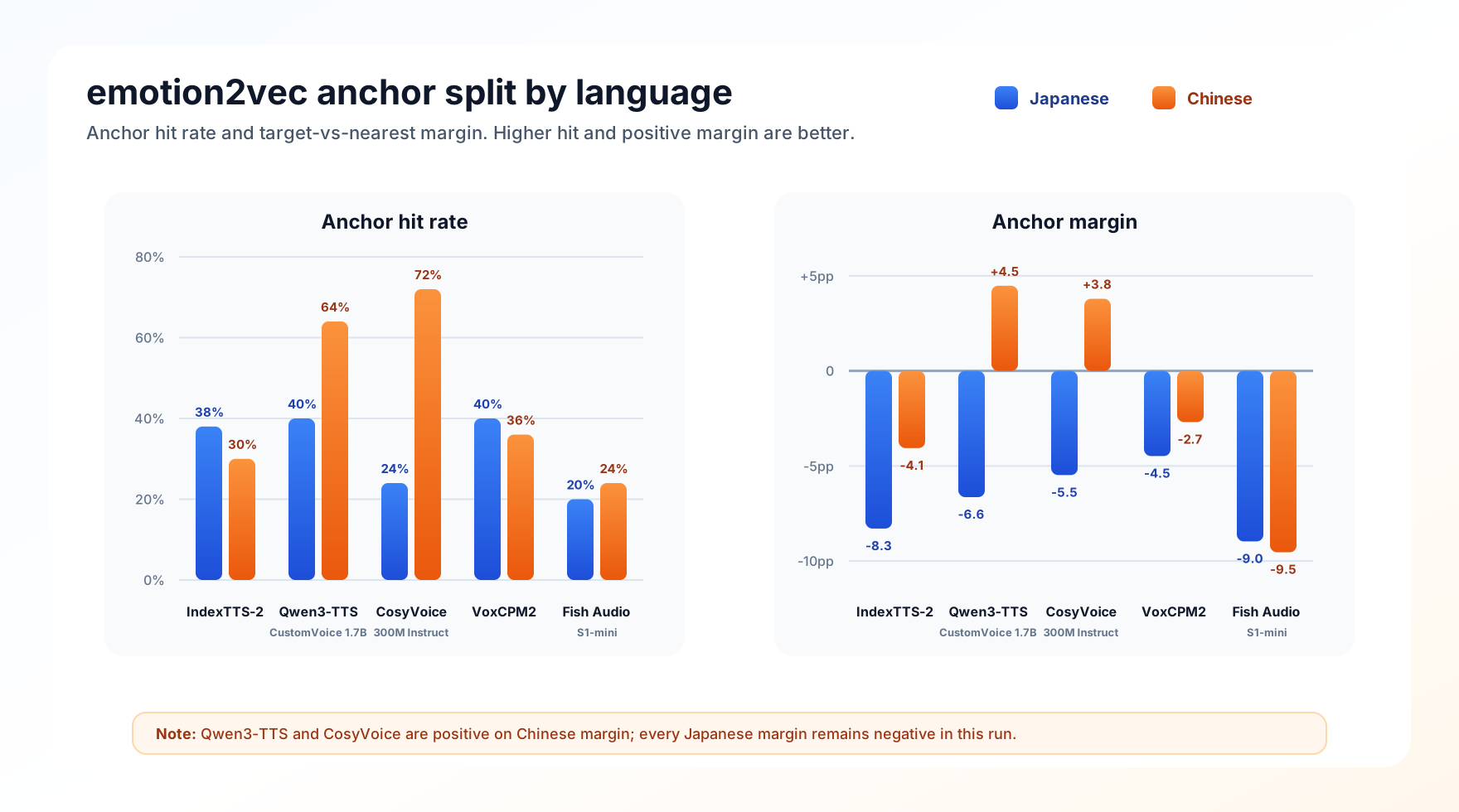
Anchor metric ले SenseVoice जस्तै story देखाउँछ: चिनियाँ anchors जापानी anchors भन्दा favorable छन्। Positive margin भनेको generated audio target emotion centroid नजिक छ। Qwen3-TTS को चिनियाँ margin positive छ, सबै जापानी margins negative छन्।
Naturalness
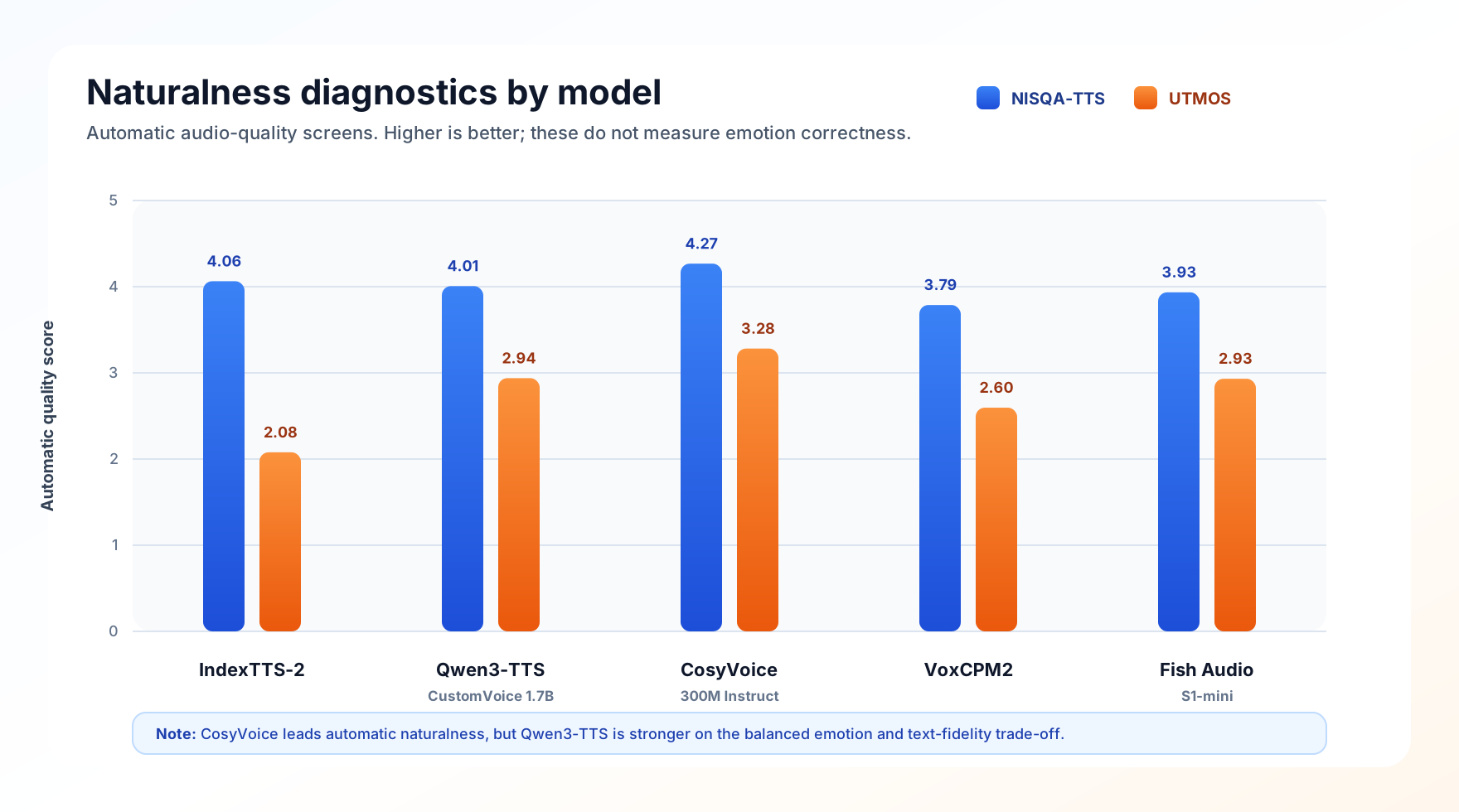
| Model | Mean NISQA-TTS | Low NISQA-TTS <3.0 | Mean UTMOS | Low UTMOS <3.0 |
|---|---|---|---|---|
cosyvoice_300m_instruct | 4.267 | 0.0% | 3.282 | 20.8% |
indextts-2 | 4.063 | 11.7% | 2.078 | 93.3% |
qwen3_tts_customvoice_1_7b | 4.007 | 0.8% | 2.939 | 51.7% |
fish_audio_s1_mini | 3.935 | 3.3% | 2.932 | 55.8% |
voxcpm2 | 3.788 | 8.3% | 2.596 | 76.7% |
Naturalness र emotion correctness फरक प्रश्न हुन्। CosyVoice naturalness मा जित्छ, तर emotion control मा होइन। Qwen3-TTS NISQA-TTS मा अलि पछाडि छ, तर emotion/text/speed trade-off राम्रो छ।
सुन्ने उदाहरण
तलको तालिकाले जापानी र चिनियाँ happy र angry samples का लागि एउटै prompt index प्रयोग गर्छ। यी clips human listening test होइनन्, automatic metrics बुझ्न qualitative anchors हुन्।
| Model | Language | Target | SenseVoice prediction | Sample |
|---|---|---|---|---|
qwen3_tts_customvoice_1_7b | JA | happy | unknown | |
qwen3_tts_customvoice_1_7b | JA | angry | angry | |
qwen3_tts_customvoice_1_7b | ZH | happy | neutral | |
qwen3_tts_customvoice_1_7b | ZH | angry | angry | |
cosyvoice_300m_instruct | JA | happy | unknown | |
cosyvoice_300m_instruct | JA | angry | unknown | |
cosyvoice_300m_instruct | ZH | happy | happy | |
cosyvoice_300m_instruct | ZH | angry | neutral | |
indextts-2 | JA | happy | sad | |
indextts-2 | JA | angry | surprised | |
indextts-2 | ZH | happy | neutral | |
indextts-2 | ZH | angry | neutral | |
fish_audio_s1_mini | JA | happy | happy | |
fish_audio_s1_mini | JA | angry | happy | |
fish_audio_s1_mini | ZH | happy | neutral | |
fish_audio_s1_mini | ZH | angry | neutral | |
voxcpm2 | JA | happy | unknown | |
voxcpm2 | JA | angry | angry | |
voxcpm2 | ZH | happy | happy | |
voxcpm2 | ZH | angry | angry |
सीमाहरू
- Automatic emotion labels human judgment होइनन्। SenseVoice उपयोगी छ, तर classifier bias र language imbalance हुन सक्छ।
- Anchor metrics anchor datasets मा निर्भर हुन्छन्। जापानी anchors JVNV बाट र चिनियाँ anchors CSEMOTIONS बाट आएका छन्;
ja/neutralरzh/disgustहराइरहेका थिए। - IndexTTS-2 Japanese diagnostic मात्र हो। Pooled score राम्रो देखिन्छ, तर जापानी CER यो setup मा धेरै उच्च छ।
थप अनुसन्धान
- Qwen3-TTS र CosyVoice का लागि native-listener MOS/CMOS test चलाउने।
- IndexTTS-2 लाई अहिले Chinese-focused candidate मान्ने, वा Japanese tokenizer/text path fix गरेपछि rerun गर्ने।
ja/neutralरzh/disgustanchors थप्ने वा curate गर्ने।- Chinese
sad,angry,fear,disgustको focused human check गर्ने। - SenseVoice लाई automatic screening metric राख्ने, तर production decisions human listening tests बाट गर्ने।
निष्कर्ष
जापानी र चिनियाँ भावनात्मक TTS का लागि Qwen3-TTS CustomVoice 1.7B यो benchmark मा सबैभन्दा सन्तुलित model हो। यसले सबै emotion समाधान गर्दैन, तर emotion recognition, low CER, anchor hit rate, naturalness र runtime को सबैभन्दा practical mix दिन्छ।