Learn what micromanaging is, its causes and negative effects, signs to watch for, and three effective strategies to avoid micromanagement in your team.
Micromanaging is a term that is often used in the corporate world to describe overly controlling management styles. It refers to the process of closely supervising or directing the work of employees to an excessive degree.
Micromanaging is when you excessively control every small detail of a project or task. This can often lead to problems because it can stifle creativity and innovation and cause frustration among team members.
Examples of Micromanaging
Micromanaging can be frustrating and overwhelming, especially if you’re on the receiving end of it. If you’re constantly being micromanaged, it’s important to communicate with the person doing the micromanaging. Let them know how their behavior is impacting you and see if there’s a way to work together to find a solution that works for both of you.
Causes of Micromanaging
Micromanaging can have many causes, including:
- Lack of trust – Not trusting employees to complete tasks correctly
- Fear of failure – Worrying that something will go wrong if left unchecked
- Difficulty delegating tasks – Struggling to let go of control
- Poor communication – Inadequate communication between managers and employees
To understand the causes of micromanaging, it’s important to consider why it occurs in the first place. All too often this behavior is driven by fear – either fear that staff won’t be able to complete tasks correctly, or fear that something will go wrong if left unchecked.
Negative Effects of Micromanaging

Possibility of Team Collapse
Micromanaging has a great risk of team collapse. Team members often have many complaints and stress. This may encourage them to withdraw from the team, or they might become depressed. This management style can lead to significant problems for not only the project but also the company.
Losing Creativity and Productivity
If members endure the micromanagement, their motivation is likely to be low. No one maintains high motivation when facing unnecessary criticism from their manager.
Many people cannot be creative and productive in such a situation. Micromanagement also reduces the chance of communication between team members, eliminating the possibility of a more successful project.
Delay in Progress
Micromanagement might cause delays in delivery for several reasons:
- Incorrect instructions – The manager’s instructions might be incorrect, as managers often have less expert knowledge than other team members
- Trouble handling – Micromanagement might cause problems that take a lot of time to handle
- Increased workload – The necessary workload increases because it requires many unproductive reports and explanations
- Lost focus – Micromanagers may focus on minor details excessively and lose sight of the big picture
Signs of Micromanagement
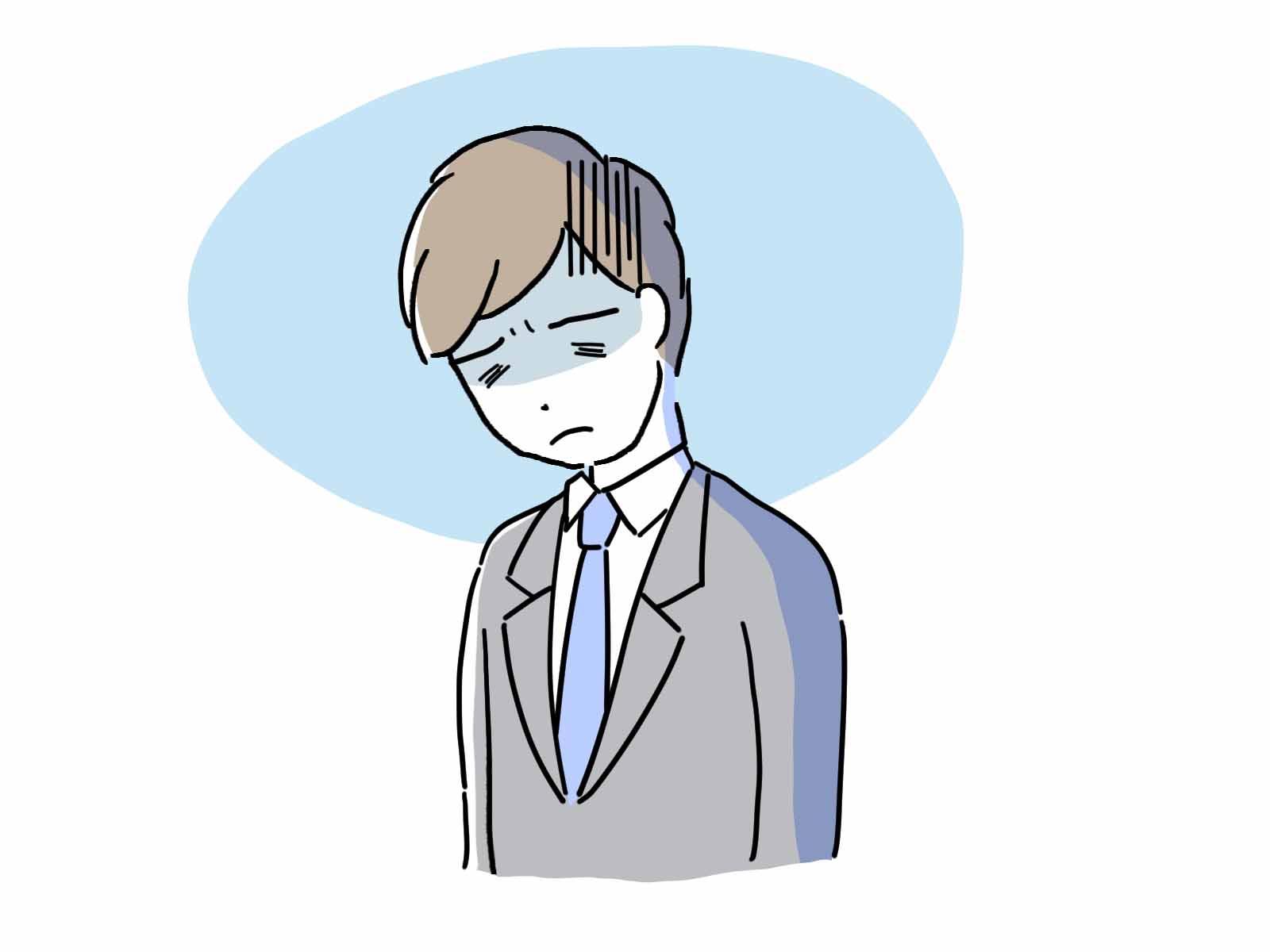
Here is a list of the most prevalent traits that demonstrate that you are either micromanaged or that you are the one who is micromanaging:
1. Micromanagers Refrain from Delegating and Interfere with Their Employees’ Work
Micromanagers cannot delegate tasks and excessively interfere with their employees’ work. They tend to adhere to their own method and do not accept others.
2. Micromanagers Hold Long Meetings
Many projects have regular meetings to make sure of progress. However, shorter meetings are preferred because the project does not advance during meeting time.
Micromanagers adhere to trivial things and prolong meetings unnecessarily.
3. Micromanagers Request Frequent Reports
They want to check the progress in real-time and address any problems immediately, even if they are trivial. This thought is not bad, but they forget the cost of reporting. It is not efficient to report everything.
4. Micromanagers Do Not Listen to the Other Person’s Opinion
They are very particular about work and believe in their own method. This is why they do not listen to other people’s suggestions or feedback.
Strategies to Avoid Micromanaging
Being a manager can be a challenge, especially when it comes to managing your team effectively. Micromanaging is one of the most common mistakes that managers make, leading to decreased morale and productivity within their team. Fortunately, there are strategies to avoid micromanaging while still providing support to your team.
1. Placing Importance on Deliverables, Not the Way
For project progress, it is the deliverables that are important, not the way of achieving them. Manage the project based on the deliveries. Clarify what is necessary and make sure they are completed within the estimated time.
2. Having a Clear Roadmap and Evaluation Criteria for Intervention
To make sure the goal will be achieved on schedule, make the roadmap, necessary tasks, and deadlines. If the tasks are completed as planned in the roadmap, you don’t have to micromanage the members.
3. Clarify Information Necessary for Progress Management
When checking the progress, you might get into disputes over trivial things and waste time. To avoid this:
- Make sure what is important in advancing the project and what is not
- Share with members what information you actually need
- Focus on outcomes rather than processes
Best Alternative Managing Tool: VoicePing
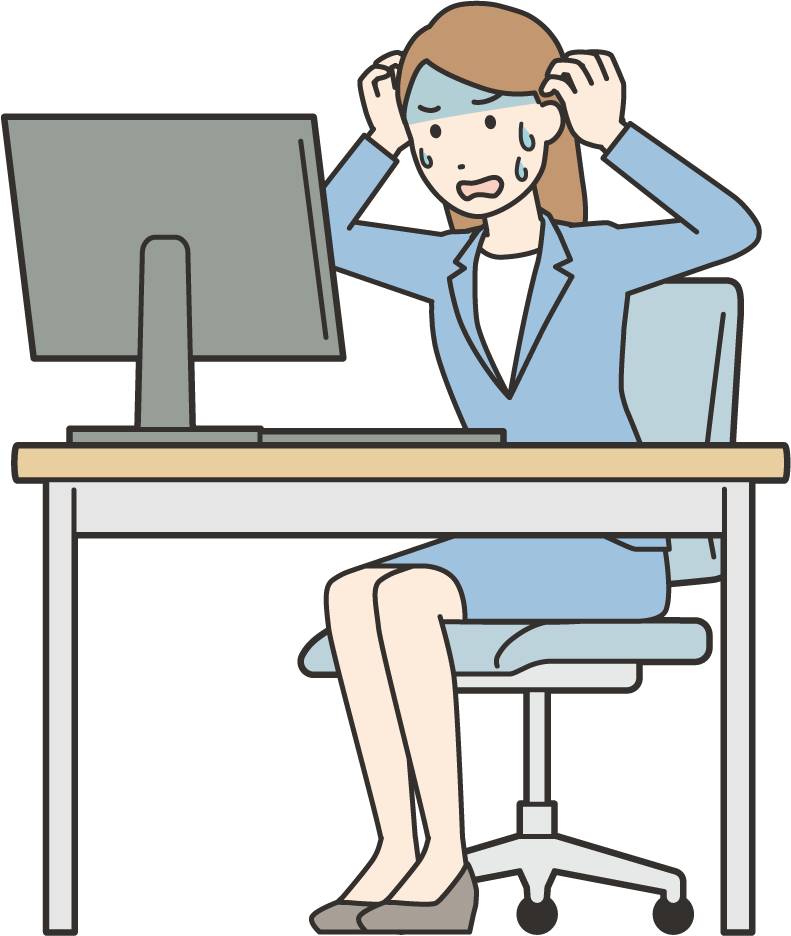
Micromanaging can be a time-consuming and inefficient process, but it is often necessary for businesses to ensure that their employees are on the same page. Fortunately, there is an innovative alternative available today: VoicePing.
VoicePing is an easy-to-use platform that helps managers communicate with their team members quickly and efficiently. It enables organizations to significantly reduce their reliance on inefficient micromanaging tools while improving collaboration in the workplace.
Key benefits of VoicePing:
- Allows teams to coordinate in real-time throughout different departments
- Helps ensure everyone is up-to-date on what needs to be done at any given moment
- Saves time sending emails or messages back and forth
- Ensures all tasks are being completed on time without excessive oversight
VoicePing allows all team members to work in one virtual space, equipped with the tools needed to work productively.
Conclusion
If you’re a manager, it’s important to be aware of different management styles and when to use them. Micromanaging is a style that involves close supervision and control of employees. This can be effective in some situations, but it can also lead to negative outcomes like decreased morale and motivation.
If you think you might be micromanaging, it might be helpful to take a step back and give your employees more autonomy. Trust your team, focus on results rather than processes, and use tools like VoicePing to maintain visibility without excessive control.
Try VoicePing Free and discover a better way to manage your team.