In this article
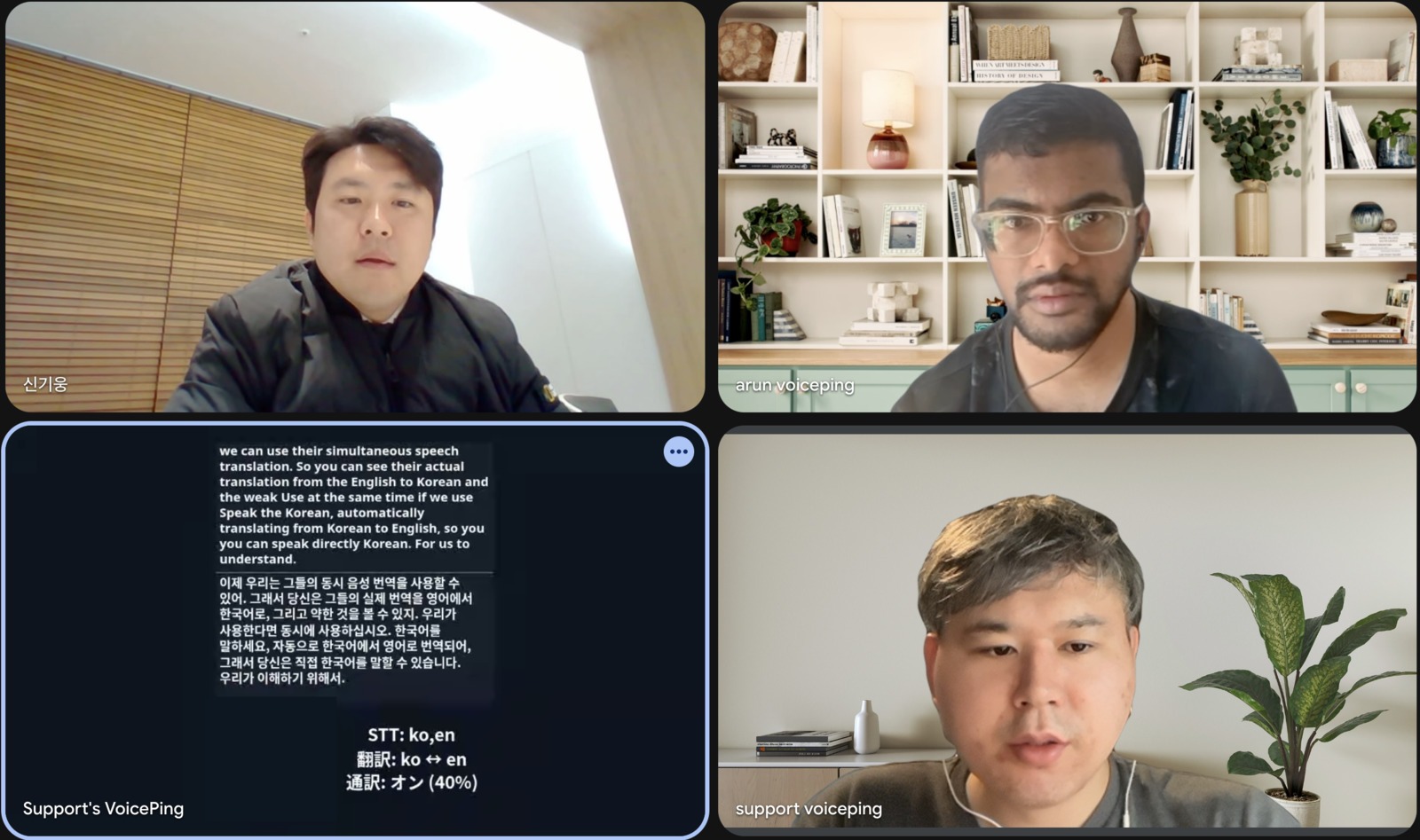
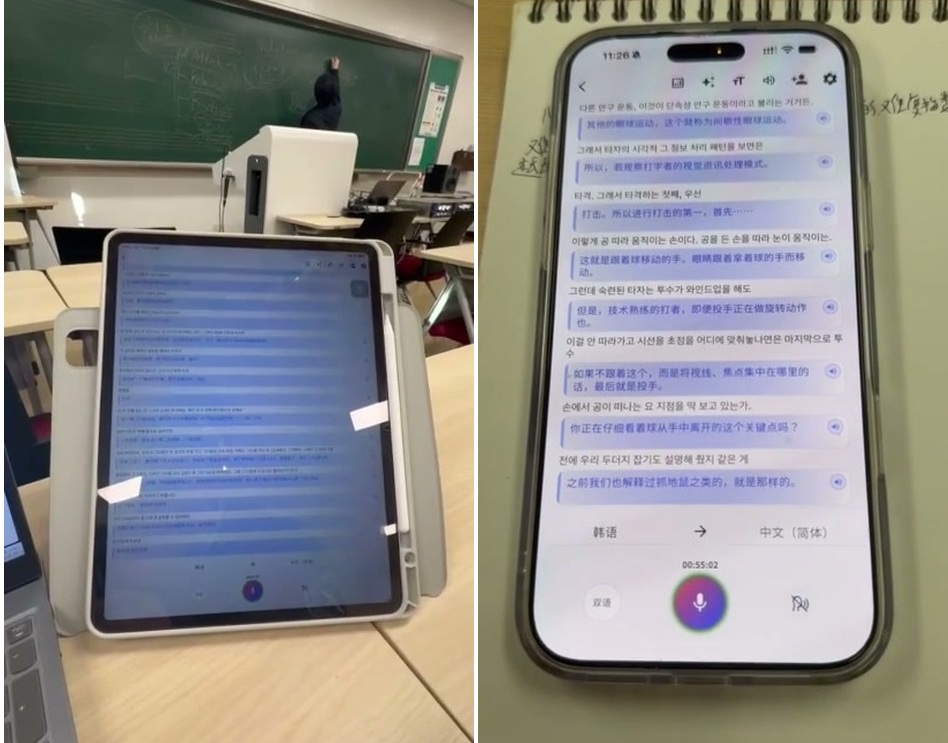
In a classroom video from Keimyung University, a professor is lecturing in Korean. On a student’s tablet, the professor’s words appear in Chinese. We asked Shin Giung of the university’s International Cooperation Team how students use live translation in class and beyond.
“At orientation, students open the app and read along as we explain the university rules or go over safety guidelines.”
— Shin Giung, International Cooperation Team, Keimyung University
Keimyung University in Daegu, South Korea, teaches most of its courses in Korean. It began offering VoicePing to students on September 1, 2026. When we spoke in November, Shin estimated that at least 250 students were using it, most of them from China.
Shin recruits and supports students from China. He shared what he’s heard from students and colleagues. The interview was conducted in Korean and translated into English, with edits for length and clarity.
Interviewed November 20, 2026
From orientation to the lecture hall
What led you to introduce VoicePing?
Some of our students from China are still getting comfortable with Korean when they arrive. That can make it hard to follow a whole lecture. We wanted them to be able to read along in Chinese as the professor speaks.
When do students use it outside class?
At orientation, students open the app and read along as we explain the university rules or go over safety guidelines. They use it in everyday conversations, too.
What have students told you about the translation?
Students tell me they’re happy with how well it handles everyday conversations and the basic terminology they hear regularly in class. I speak Chinese with the students, so I don’t use the app myself. Some of my colleagues do use it when they and a student don’t have a language in common.
Translating Daegu dialect and technical terms
What would students most like to see improve?
Students say the translation is harder to follow when they sit far from the professor. Some professors use expressions from the local Daegu dialect that don’t always come across well. The same is true of technical terms when a lecture goes into more depth. Students also report mistakes when the app translates what they say in Chinese into Korean. Some use another translation app alongside VoicePing. What we’d most like to see is more accurate translation from Korean into Chinese, so students can follow their lectures.
A glossary for the next lecture
During the interview, the VoicePing team showed Shin how to build a course glossary with Vocabulary Builder. A workspace administrator enters course materials in Korean or Chinese, reviews the suggested terms and chooses which ones to add to the shared dictionary. Shin said he would ask students how they use the dictionary.
About Keimyung University and Shin Giung
Keimyung University

Keimyung is a private, four-year university in Daegu, South Korea. Its programs include computer engineering, international trade, business, tourism management, fine arts and music.

Shin Giung
Shin works on the university’s International Cooperation Team, where he recruits students from China and helps them settle into campus life after they enroll.